
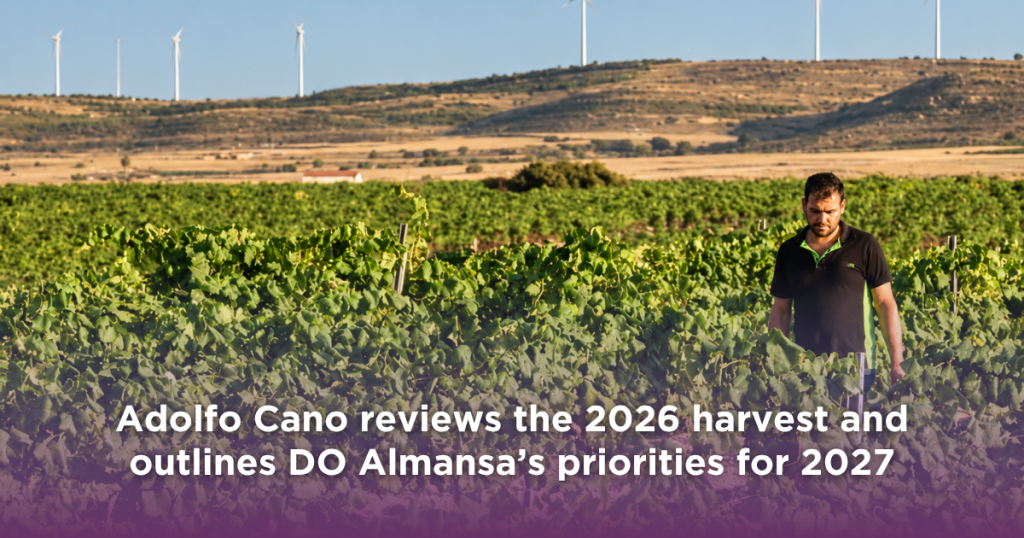
The 2026 grape harvest has been marked by weather conditions that have influenced the course of the season, although initial assessments point to a vintage with very promising prospects in terms of quality. To learn more about how the harvest unfolded, what we can expect from the new wines and the main challenges facing the designation of origin, we spoke with Adolfo Cano, President of DO Almansa, who shares his assessment of the season and outlines the key objectives for 2027.
How would you assess the 2026 harvest across the DO Almansa production area?
The 2026 harvest has been somewhat different, although the truth is that in recent years, each harvest has presented its own particular characteristics, mainly due to weather conditions.
This year, the growing season was affected by several weather events that impacted our vineyards and led to a significant reduction in production. However, when it comes to the quality of the grapes harvested, our assessment is very positive.
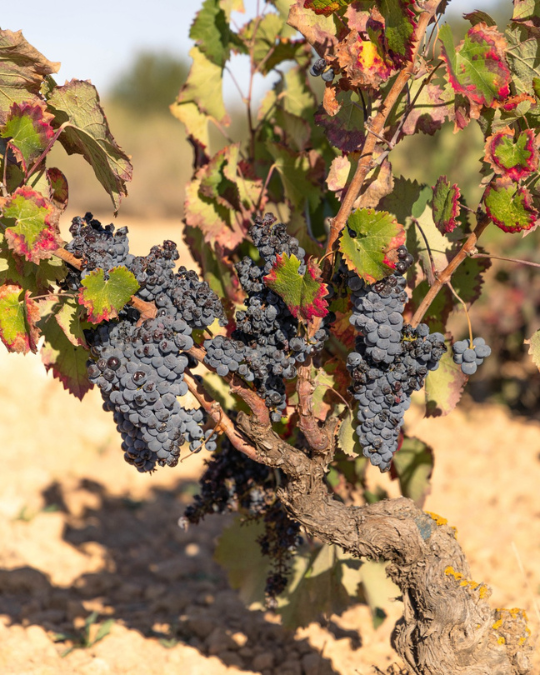
Particularly in the case of red grape varieties, and more specifically our Garnacha Tintorera, we are seeing grapes with excellent concentration and characteristics that give us very high expectations. Despite harvesting smaller quantities, we believe the 2026 vintage will allow us to produce wines of outstanding quality and distinctive character.
How have weather conditions influenced this year’s harvest? What would you highlight compared to previous vintages?
Weather conditions have had a significant impact on this year’s harvest, particularly at certain points during the growing season. In May, we experienced sudden temperature changes, periods of cold weather, rainfall and hailstorms that affected vineyards across our production area.
These conditions resulted in a reduction in the harvest of nearly 50%, meaning that grape production was considerably lower than in previous years.
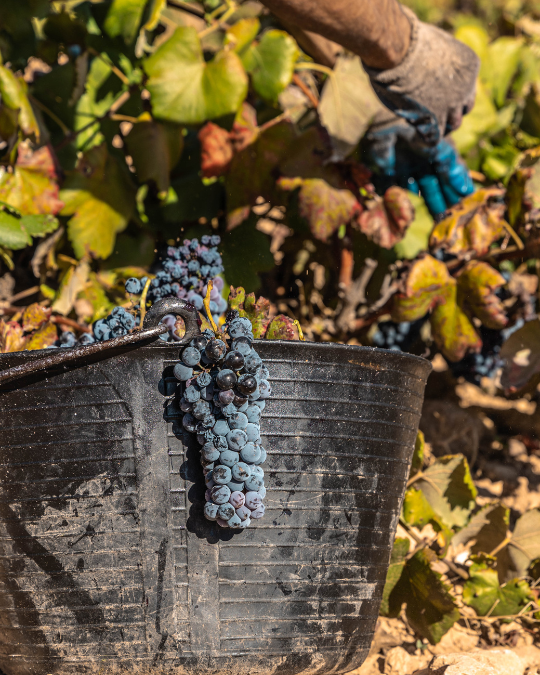
In addition, the high temperatures recorded during August influenced grape ripening and caused the harvest to begin slightly earlier than usual.
Despite these challenges, the most positive aspect of the season has been the quality of the grapes arriving at our wineries. Weather conditions have affected production volumes, but we are very satisfied with the characteristics of the harvested grapes and their potential for producing wines from this new vintage.
Now that the grapes have arrived at the wineries, what can we expect from the 2026 vintage? What are your first impressions of its quality?
Our initial impressions are very positive. The wines from this vintage are showing excellent concentration, very good structure and, above all, great potential.
In particular, we would like to highlight the red wines made from Garnacha Tintorera, one of the most representative grape varieties of our designation of origin, which is showing especially promising results this year.
Although we are still in the early stages of winemaking, the characteristics we are observing give us plenty of reasons to be optimistic. We believe the 2026 vintage has the potential to produce wines of outstanding quality and distinctive character.
Beyond the harvest, how would you assess 2026 for DO Almansa as we enter the final quarter of the year? Which events, initiatives or achievements would you particularly highlight?
Our assessment of 2026 is very positive, particularly because of the significant efforts we have made to promote our wines both nationally and internationally.
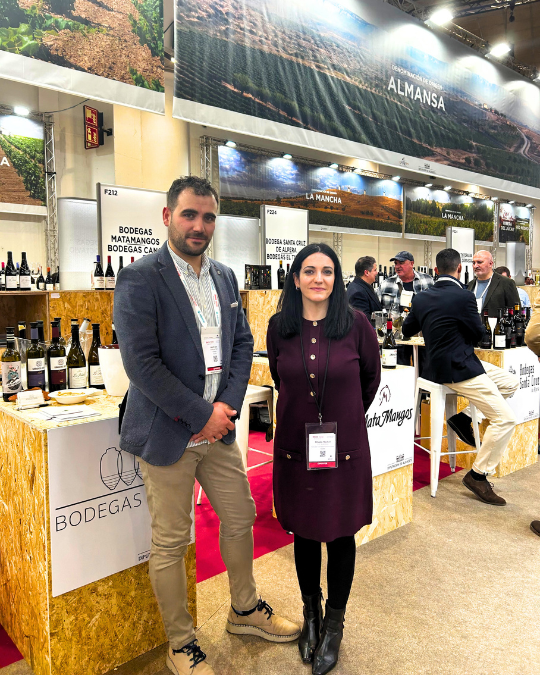
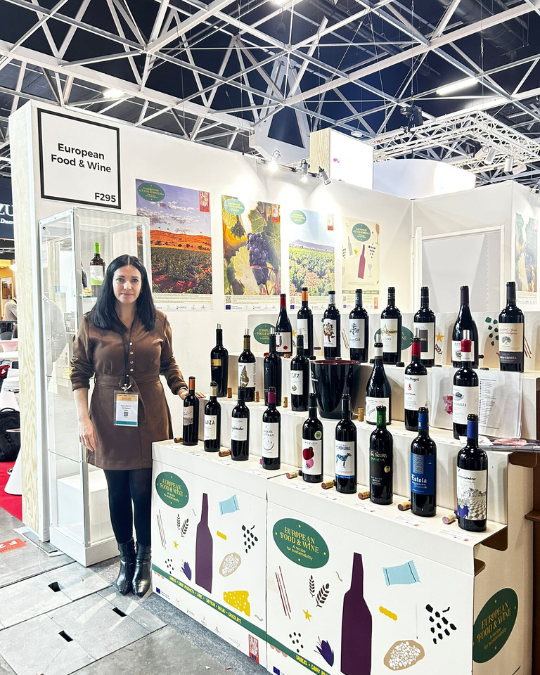
This year, we have strengthened our presence at leading wine trade fairs such as Barcelona Wine Week, Wine Paris, ProWein and Eurovino in Germany, and the London Wine Fair. These events have allowed us to showcase the quality of our wines to industry professionals, establish contacts with international importers and continue raising the profile of our wineries in strategic markets.
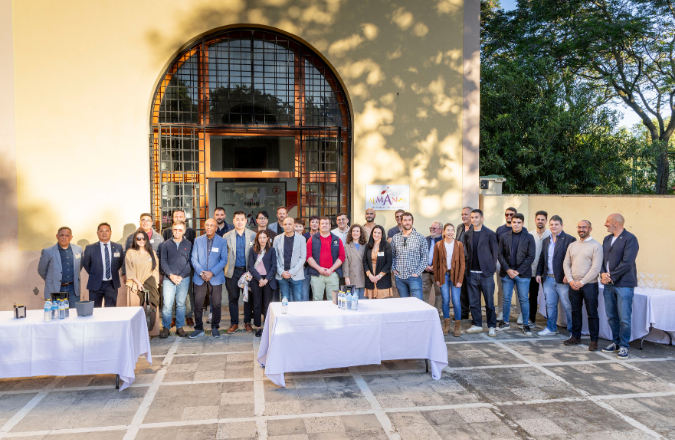
Another particularly important initiative was our reverse trade mission involving representatives from four Asian countries, who spent a week visiting our wineries and discovering our region, our wines and our Garnacha Tintorera firsthand.
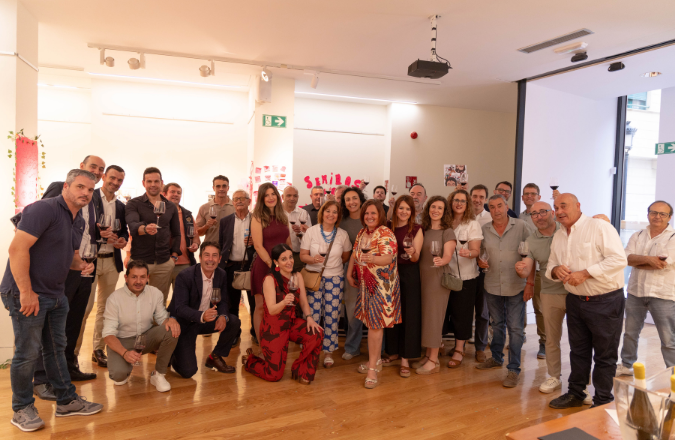
At a national level, this year has also been particularly meaningful because of the 60th anniversary of DO Almansa, an opportunity to look back on our history and recognise the work our wineries have carried out over the past six decades. We have also continued participating in various wine tastings and promotional activities, including those held during the Almansa Fair, which received a very positive response.
All these efforts are producing results. During the previous marketing campaign, we achieved growth in domestic sales, and over recent years, we have seen the value of our wines increase both in Spain and in international markets. This reflects the excellent work being carried out by the wineries that form part of our designation of origin and encourages us to continue moving forward in this direction.

What are the main challenges and objectives for DO Almansa in 2027? Which areas will you continue focusing on to support the wines and wineries of the designation of origin?
Looking ahead to 2027, our main challenges remain in line with the work we have been carrying out over recent years. We want to continue increasing sales, expanding our presence in different markets and, above all, highlighting the quality of the wines produced by our wineries.
One of our main objectives is to continue raising awareness of Garnacha Tintorera, a grape variety closely linked to our identity and one that we consider essential for differentiating ourselves and showcasing the unique characteristics of our wines.
We believe it is important to continue strengthening the position of DO Almansa, reaching new consumers and ensuring that the quality of our wines is increasingly recognised both in Spain and abroad.
At the same time, we remain committed to promoting responsible wine consumption and continuing to make steady progress towards consolidating the growth of our designation of origin and the wineries that belong to it.


